Pup Potty 101: Ace Dog Training Toilet Tips
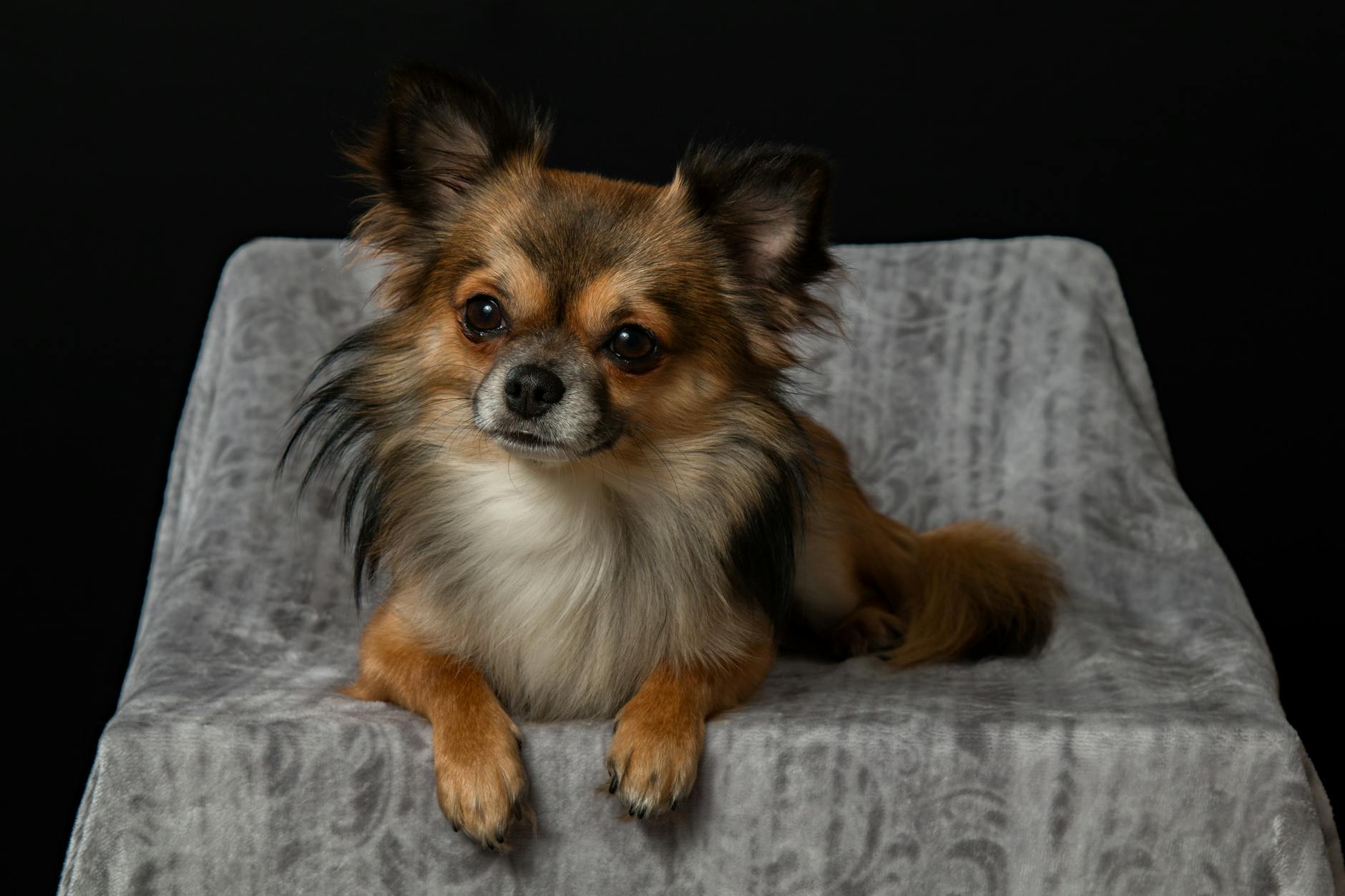
Bringing a puppy into your home is an exciting moment filled with joy and anticipation. Yet, alongside the fun and love they bring, comes the important responsibility of training your new furry friend, particularly when it comes to potty training. Mastering the art of puppy potty training is not just about avoiding messes; it's also about building a trusting relationship with your pup. In this guide, we’ll delve into expert techniques and tips to help achieve a mess-free, happy home for you and your companion.
Understanding Puppy Potty Training
Before we explore the strategies for effective potty training, it's crucial to comprehend a young dog's capabilities. Puppies have small bladders and limited control over their bodily functions. On average, a puppy can control their bladder one hour for every month of age. That means a two-month-old puppy might need a bathroom break every two hours.
Establishing a Routine
Consistency is key in potty training. Establish a routine that your puppy can follow every day. This includes feeding, potty breaks, playtime, and sleep. Here's what you need to do:
Fixed Feeding Times
Feed your puppy at the same times every day and take away the water dish a couple of hours before bedtime to reduce the chances of nighttime accidents.
Frequent Bathroom Breaks
Take your puppy out first thing in the morning, after every meal, following naps, and during and after play. Remember the one-hour-per-month rule to estimate the frequency of breaks.
Designated Potty Area
Choose a specific area for your puppy to relieve themselves. Consistently bringing them to the same spot will help them associate that area with bathroom time.
Cue Words
Use specific words or phrases like "go potty" to signal to your puppy that it’s time to do their business. With repetition, they’ll learn what's expected when they hear these cues.
Positive Reinforcement
Positive reinforcement is crucial in dog training. Follow these principles:
Rewarding Success
Whenever your puppy potties in the correct place, immediately reward them with treats, praise, or playtime. This reinforces good behavior.
Avoid Punishment
Punishing your puppy for accidents can create fear and confusion. Instead, calmly clean up the mess with an enzymatic cleaner and continue with the routine.
Monitoring and Confinement
Supervision
When indoors, keep an eye on your puppy as much as possible to catch signs they need to go, like sniffing or circling.
Use a Crate
A properly sized crate can be a beneficial tool in potty training. Dogs naturally avoid soiling their sleeping area, which can help them learn to hold it.
Dealing with Accidents
Even the best-trained puppies have accidents. Here's how to handle them:
Respond Calmly
Do not react angrily or with frustration. Calmly clean up and move on, making a mental note to adjust the potty break schedule if needed.
Enzymatic Cleaners
Use enzymatic cleaners to eliminate odors that might attract your puppy back to the same spot for another accident.
Observe and Adjust
If accidents are frequent, reassess your potty training schedule and make sure you're taking your puppy out often enough.
Patience and Persistence
Remember, potty training is a process that requires patience and persistence. Some puppies may learn quickly, while others take more time. Stay consistent, and with time, your puppy will learn.
Conclusion
Potty training a puppy is a challenging yet rewarding journey. By understanding your pup's needs, establishing a routine, using positive reinforcement, and responding properly to accidents, you can set the foundation for a lasting, loving relationship with your dog. Keep in mind that every puppy is unique, and success in potty training comes with understanding and adapting to your pet's individual needs.
By following the tips outlined in this Pup Potty 101 guide, you're well on your way to a clean, happy home for both you and your delightful furry friend.